
A better way to compare haircut ideas
Hair guide
How to Use an AI Hairstyle Changer to Plan Your Next Haircut
Learn how to prepare a portrait, choose useful hairstyle variations, and turn an AI haircut preview into a practical salon brief.
Why a preview helps with a difficult decision
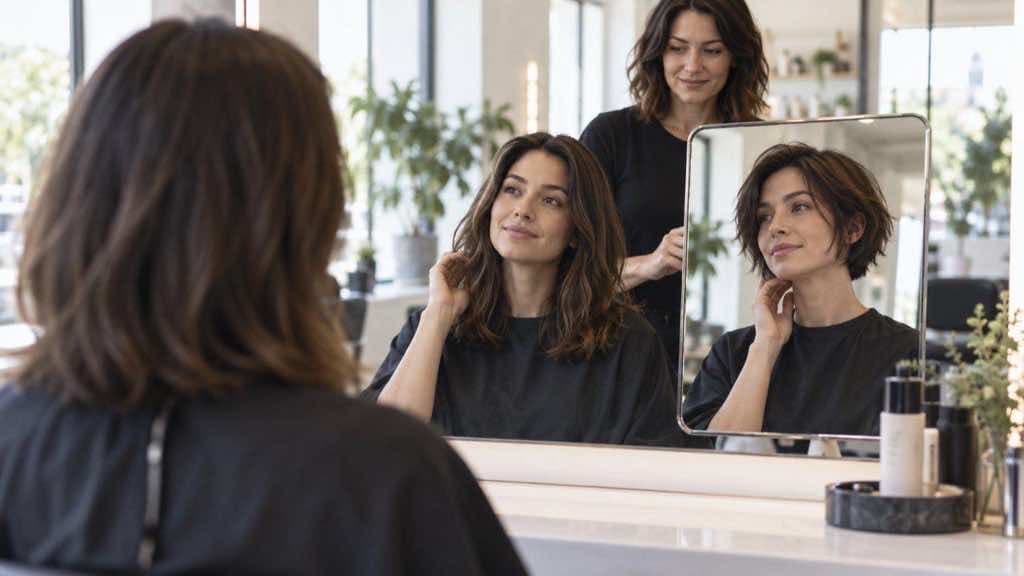
Haircut decisions are hard because most of the important variables are invisible until the change is made. Length affects the balance of the face, layers change how hair moves, a fringe changes the first thing people notice, and color changes the relationship between hair, skin tone, and clothing. Words such as “short,” “textured,” or “soft” can mean very different things to different people. A preview gives you a shared visual starting point.
That does not make an AI image a guaranteed salon result. The preview is best understood as a design mockup: it helps you compare direction, not certify the final shape. The most valuable outcome is often not a perfect image but a clearer answer to questions like “Do I want the sides tighter?” or “Does this color feel too high-maintenance for me?”
Prepare a photo that gives the tool enough information
Choose a recent photo with your face unobstructed and your head facing the camera. Even lighting matters because strong shadows can hide the hairline and make one side of the face look different from the other. Avoid sunglasses, large hats, beauty filters, and extreme wide-angle selfies. If you want to compare length at the back, use a second reference photo or take a three-quarter view as a separate test rather than forcing one image to answer every question.
Your starting hairstyle should be visible enough for the editor to understand the outline, but it does not need to be perfectly styled. In fact, a natural photo can make the decision more honest. If you normally air-dry, use an air-dried photo. If you wear your hair tied back most days, preview the change from a tied-back starting point and consider how much daily styling the new cut will require.
Compare one design variable at a time
Start with the largest decision: length. Compare your current length with a version that is one realistic step shorter or longer. Once you know the length direction, test the shape: blunt, layered, textured, tapered, or rounded. Only then compare fringe and color. If you change length, texture, fringe, and color in every generation, you may like the overall image but have no idea which choice made it work. Controlled comparisons are easier to discuss and easier to reproduce in a salon.
Create a small set rather than an endless gallery. Three to five variations are usually enough: a safe option close to your current style, a practical option that solves a specific issue, and a more expressive option that tests the edge of your comfort zone. Save the details of the versions you like. A reference that shows the front but hides the side shape may need a second image or a written note.
Mettre le guide en pratique
Open the AI hairstyle changer
Commencez avec une photo nette, comparez quelques variantes ciblées et utilisez le résultat comme référence visuelle pour votre prochain choix de style.
Read the result critically
Look at the outline first. Does the widest point of the hair sit where you want it? Does the fringe create the amount of openness you prefer around the eyes? Is the volume believable for your hair density? Then inspect the maintenance questions: would the cut need daily heat styling, regular reshaping, or special products? An image can make every style appear effortless, so add the real-world effort back into your decision.
Also check what the image cannot tell you. It cannot accurately represent how a curl pattern will shrink, how a cowlick will behave, how bleach will affect the condition of your hair, or how a style will look after six weeks of growth. If the change is significant, use the preview to identify the conversation you need to have with a professional rather than skipping that conversation.
Turn your favorite version into a simple salon brief
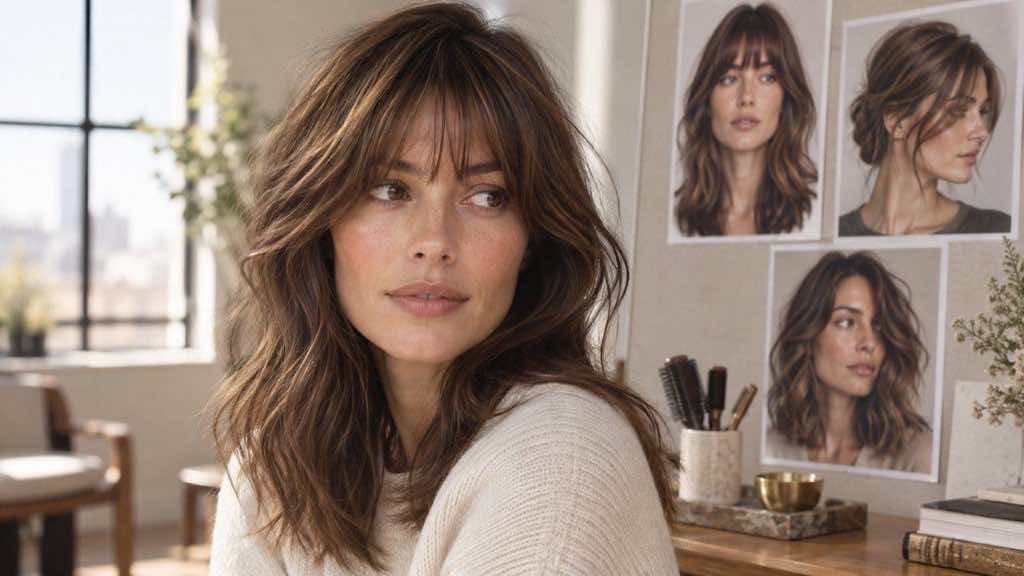
A good salon brief has four parts: the target length, the shape or movement you want, the parts you want to avoid, and the amount of maintenance you can accept. Add a sentence about your texture and daily routine. For example: “I like the length around the jaw in this reference, but I want movement without a short fringe. I air-dry most days and would like the shape to grow out softly.” This is more useful than sending a single heavily edited image with no context.
Bring two references if you can: one that shows the overall mood and one that shows the technical detail, such as the side profile or fringe. If the AI result and your references disagree, explain the difference. The disagreement can reveal the real preference you had not yet named, such as wanting the color from one image and the silhouette from another.
Keep privacy and realism in the workflow
Only upload photos you are allowed to use. Avoid images of other people without permission, and never use images of minors for a style experiment. If a photo contains background details, documents, or other people, crop it before uploading. A clear, simple portrait is usually better for the hairstyle decision anyway.
The best result is not the most dramatic transformation. It is the option that helps you make a more informed choice with fewer surprises. Use an AI hairstyle changer to explore, compare, and communicate. Then let your actual hair texture, face, routine, and professional advice determine the final cut.
Mettre le guide en pratique
Open the AI hairstyle changer
Commencez avec une photo nette, comparez quelques variantes ciblées et utilisez le résultat comme référence visuelle pour votre prochain choix de style.